Story by Connor Danielowski / February 25, 2026

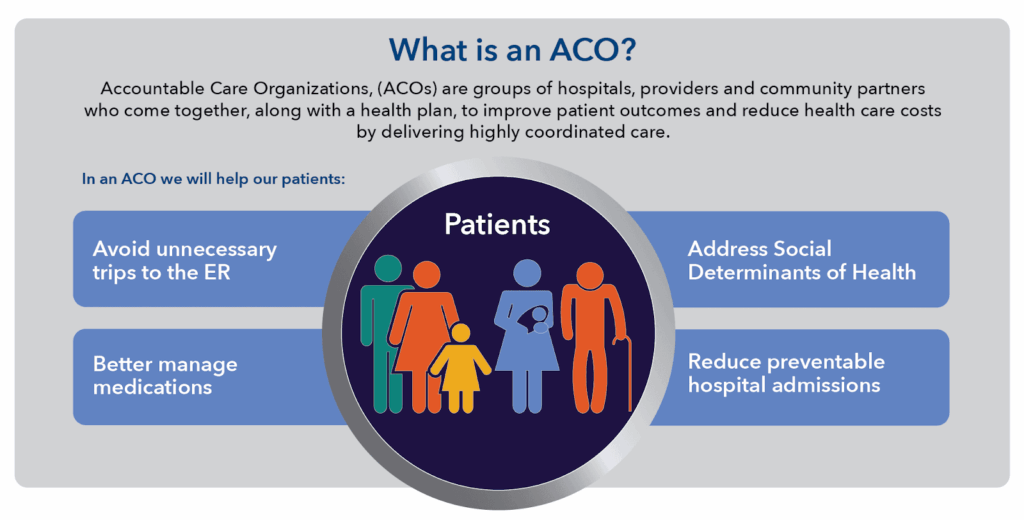
As healthcare continues its shift away from fee-for-service, revenue is no longer driven solely by volume. For practices participating in Accountable Care Organizations (ACOs) or Medicare Advantage contracts, financial success depends on outcomes, utilization control, and patient engagement.
This is where Chronic Care Management (CCM) delivers a powerful, often underappreciated advantage.
CCM does more than generate monthly reimbursement. When executed well, it directly strengthens the core performance metrics that drive shared savings distributions and bonus payments in value-based models.
Value-based programs reward practices for:
CCM is purpose-built to support these goals.
Rather than episodic care, CCM creates continuous clinical touchpoints that align patient behavior with value-based incentives.
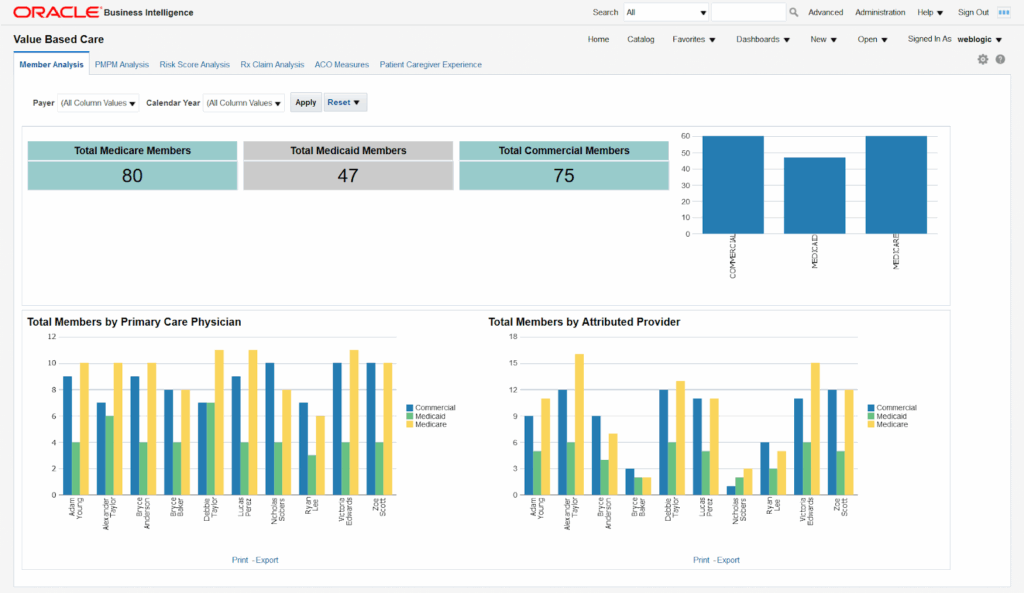
Shared savings models depend on managing total cost of care across a defined population. Small improvements at the patient level compound at scale.
CCM contributes by:
Patients enrolled in CCM are less likely to fall through the cracks between visits—exactly where cost overruns tend to occur.
Value-based impact: Better utilization control improves the likelihood of exceeding shared savings benchmarks.
Medicare Advantage plans tie bonus payments to quality performance, patient engagement, and preventive care execution.
CCM supports these objectives by:
Rather than relying on annual touchpoints alone, CCM keeps patients actively engaged throughout the year—improving both outcomes and reported performance.
Value-based impact: Higher quality scores support stronger bonus payouts and contract renewals.
Care gaps often arise not from lack of intention, but lack of follow-up.
CCM provides the structure to:
This proactive approach helps practices demonstrate continuous management rather than reactive care.
Value-based impact: Improved care gap closure supports quality metrics tied to incentives.
Value-based contracts rely heavily on accurate documentation to reflect true patient complexity and care effort.
CCM improves documentation by:
When patient complexity is properly documented, performance metrics more accurately reflect the work being done.
Value-based impact: Stronger documentation supports fair benchmarking and incentive calculations.
For many practices, CCM acts as a transitional strategy-bridging traditional reimbursement and value-based participation.
It allows practices to:
Rather than waiting for value-based contracts to mature, CCM creates immediate financial and operational alignment.
Clinics that succeed in ACOs and Medicare Advantage programs tend to:
They view CCM not as a billing add-on, but as a performance accelerator.
Chronic Care Management strengthens value-based performance where it matters most—utilization control, patient engagement, documentation, and outcomes.
For practices participating in ACO shared savings or Medicare Advantage plans, CCM delivers a clear edge: it aligns daily clinical activity with the financial drivers of value-based success.
CCM doesn’t just generate monthly revenue. It helps practices earn more when outcomes matter most.

